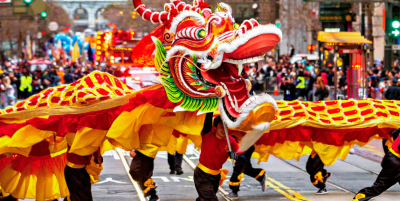
New Year celebrations vary across cultures, each with its own unique characteristics, reflecting the rich traditions and customs of the world. New Year's Day is the first day of the year. The name "New Year's Day" is said to originate from Zhuanxu, one of the legendary Three Sovereigns and Five Emperors. He designated the first month of the lunar calendar as "Yuan" and the first day as "Dan." "Yuan" signifies first and beginning, while "Dan" represents the rising sun. Together, "Yuan" and "Dan" symbolize welcoming the new year with vigor and vitality. On this day, people decorate their homes with lanterns and festive attire to celebrate the New Year. Celebrating the beginning of the new year is a common custom in countries and regions around the world. However, customs differ from place to place due to variations in history, culture, religion, and ethnic traditions, resulting in different New Year's Day celebrations in various countries and regions.
Chinese New Year Customs
The Spring Festival is China's most important traditional festival, celebrated on the first day of the first lunar month. Its customs mainly include pasting couplets, staying up late on New Year's Eve, paying New Year's visits, ancestor worship, and lion dance performances. These traditions symbolize hope and the beginning of new life.
China boasts a rich variety of distinctive delicacies, such as tea cakes, dumplings, spring rolls, and eight-treasure rice. The concept of the Spring Festival originates from ancient calendars, as recorded in ancient texts like the Pangu Wang Biao and *Sanming Tonghui*. According to the Yi Jing (Book of Changes), "Gen (艮) is the trigram of the northeast, the place where all things are completed and where they begin again." This signifies the transition from the beginning of spring (Lichun) to the next Lichun, marking the end of the year and the beginning of a new one. Lichun, as the start of the year, symbolizes the beginning of a new cycle, the revival of all things, and vibrant life. Therefore, the Spring Festival is not only an important traditional festival but also a symbol of hope and new beginnings.
UK
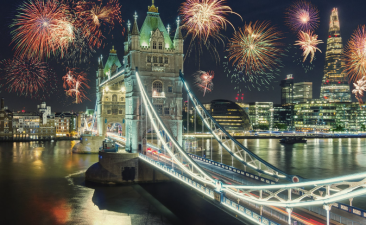
In the UK, while New Year's Day is not as grand as Christmas, various celebrations are still held on New Year's Eve and New Year's Day according to local customs to bid farewell to the old year and welcome the new. On New Year's Eve, the British often visit relatives and friends late at night with cakes and wine, entering their homes without knocking. According to British custom, the first person to step into the house after New Year's Eve is considered the one who will bring good fortune in the coming year. If the first guest is a dark-haired man, or a happy, prosperous person, the host will have good fortune throughout the year. Those visiting relatives and friends on New Year's Eve, before engaging in conversation, should first stir the fireplace, wishing the host "good luck upon opening the door." Most New Year's celebrations in Britain take place on New Year's Eve, including a "New Year's feast" with various fine wines, delicacies, and snacks for people to enjoy throughout the night. At midnight, people turn on their radios to listen to the New Year's bells in the church. When the bells ring, people rejoice, raise their glasses in toasts, and sing "The Sun Also Rises." People dressed in festive attire flock from all directions to the newly decorated and brightly lit dance halls, dancing to beautiful music. Thousands also gather in squares, dancing and singing around the central fountain and the statue of Eros, reveling in the festivities. Television stations broadcast live from the squares, allowing those staying up late to share in the joy.
Songkran Customs in Thailand
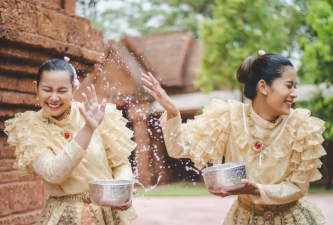
Songkran, also known as the Water Festival, is the Thai New Year, celebrated annually from April 13th to 15th. The main customs include hanging the national flag and performing rituals such as bathing the Buddha and monks. Sprinkling water on elders as a sign of respect and blessing symbolizes rebirth through the cleansing of water. Songkran not only symbolizes the arrival of the Thai New Year but also embodies people's hopes for a better life.
The word "Songkran" originates from Sanskrit and marks the beginning of a new year. Although the actual New Year should be in March, due to historical reasons, the festival is celebrated in April, a tradition that continues to this day. Songkran not only symbolizes the arrival of the Thai New Year but also embodies people's hopes for a better life.
Ōmisoka Customs in Japan
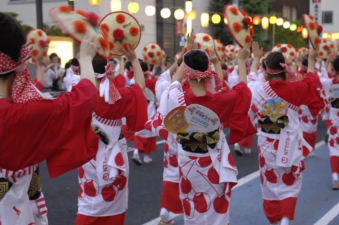
Ōmisoka is Japan's New Year's Eve, celebrated annually on December 31st. Main customs include thorough house cleaning, displaying bamboo and plum blossoms at the door, and staying up until the New Year's bells ring. Special foods include sweet taro, soba noodles, and toso sake. In Japan, New Year's Eve is called Hatsumode, a time for people to pray for blessings from the gods, hoping to bid farewell to the troubled old year and welcome the hopeful new year.
As midnight falls, the bells of temples in towns and villages ring 108 times, intended to drive away all evil. People sit quietly listening to these "New Year's Eve bells," and as the ringing stops, the New Year arrives.
Russian New Year Customs
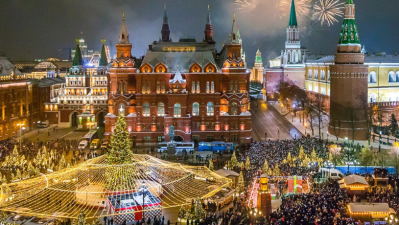
Russia celebrates the Russian New Year on January 14th each year. Preparations for the New Year begin with buying New Year's gifts, and every household adds various festive decorations. Family parties are an important way to celebrate, and champagne is an indispensable drink. Russia celebrates the New Year based on the Orthodox calendar, and January 14th is considered a holiday for family reunions and joyful times.
Roast chicken, champagne, Russian salad, and oranges are essential foods for the Russian New Year. Similar to Santa Claus, the Russian Santa Claus is called "Old Man Frost," and he always appears accompanied by "Snow Maiden."